Birth & early life
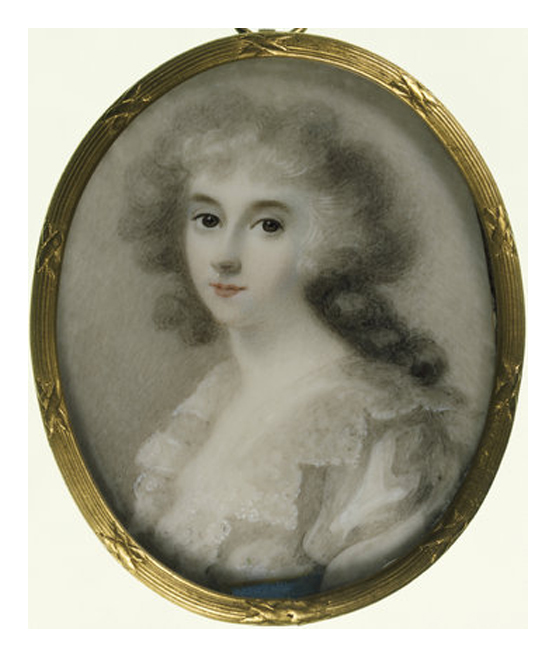
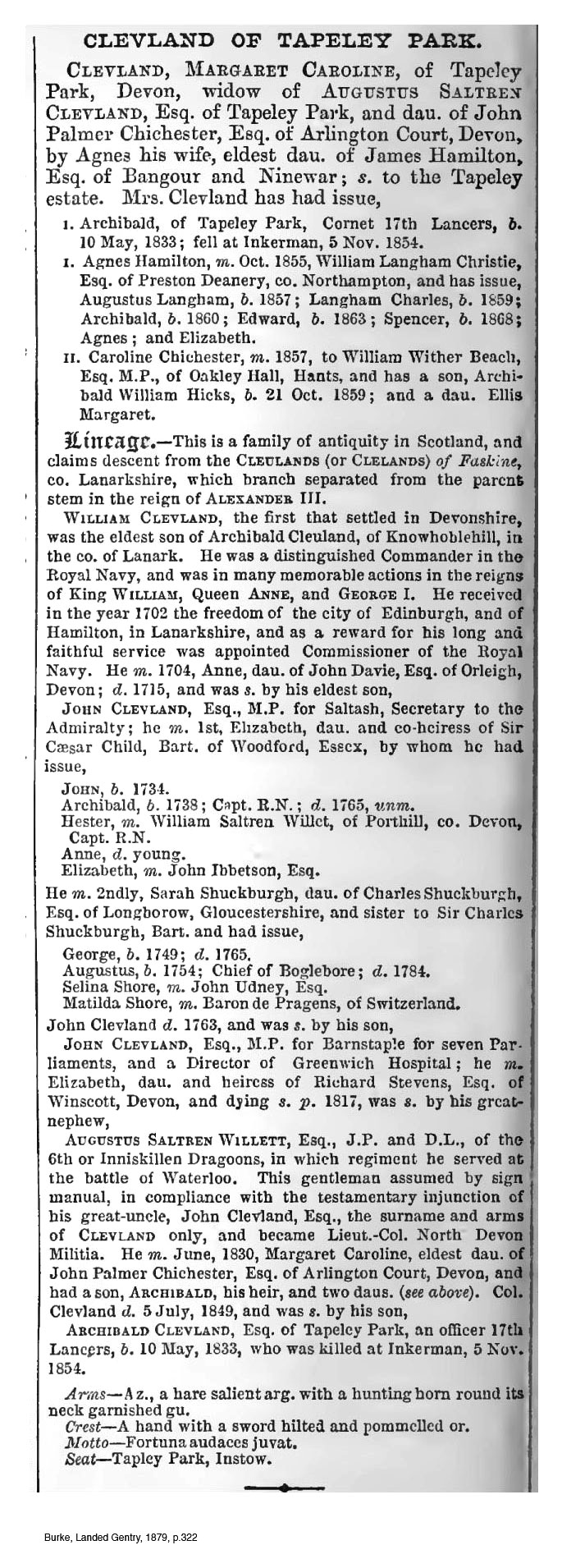
Born at Tapely Park, Westleigh, near Bideford, Devonshire, on the 16th of May 1833, the son of Colonel Augustus Saltren Willett and his wife Margaret Caroline, daughter of John Palmer Chichester, of Arlington Court, near Barnstaple, Devon. His parents had married in 1830.
[PB: See Burke, Landed Gentry, 1879, vol.1, p. for details.]
(Click on image to enlarge)
[PB: Although Archibald Clevland's mother and sisters were involved in creating memorials to him, and to his father Augustus, their names are, so far as I know, never recorded on those memorials. They are simply referred to as "widow", "mother", "sisters". [CHECK]]
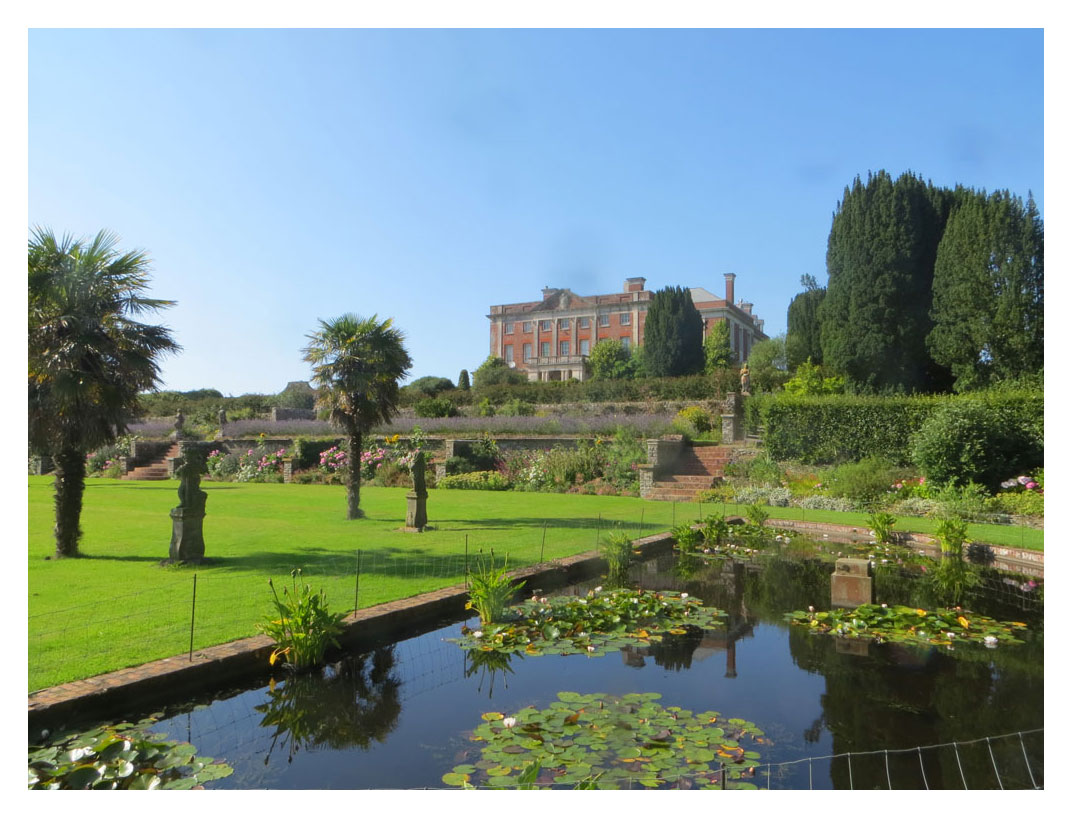
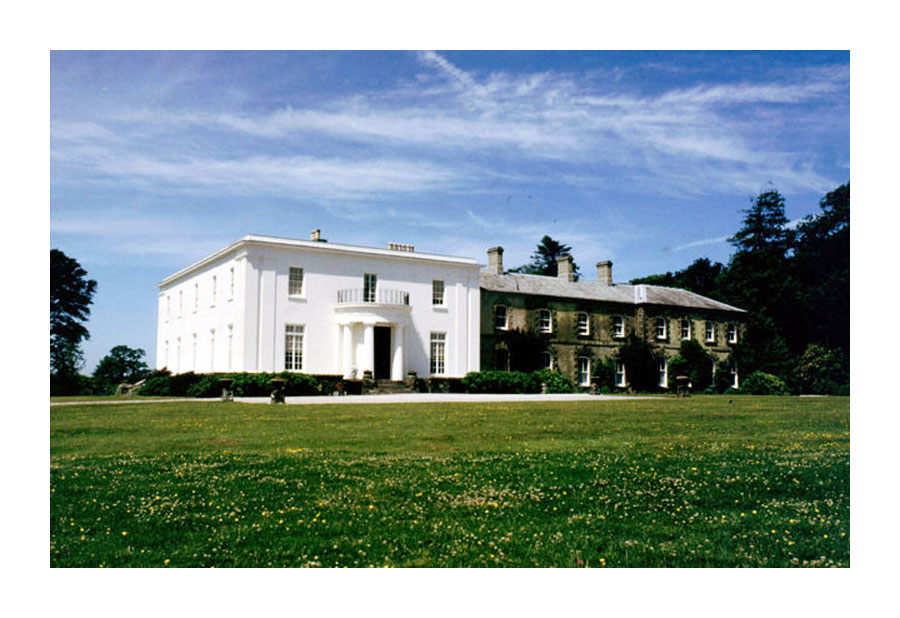
Tapeley House, 2016
(Click on image to enlarge)
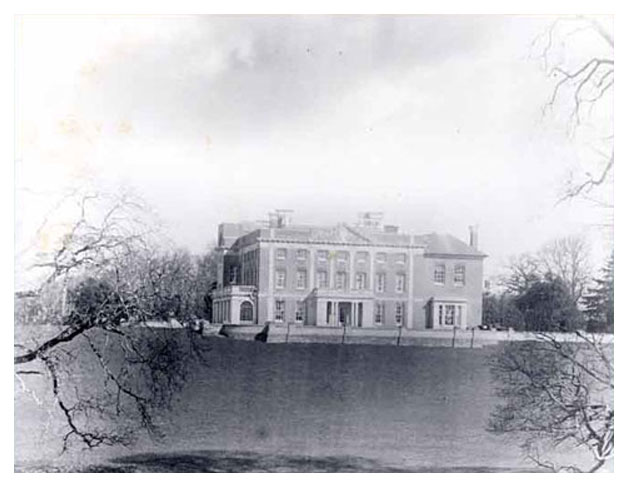
Tapeley House, before the construction of the gardens (date?)
[PB: Was it brick-fronted when Archibald Clevland lived there? I think perhaps not.]
(Click on image to enlarge)
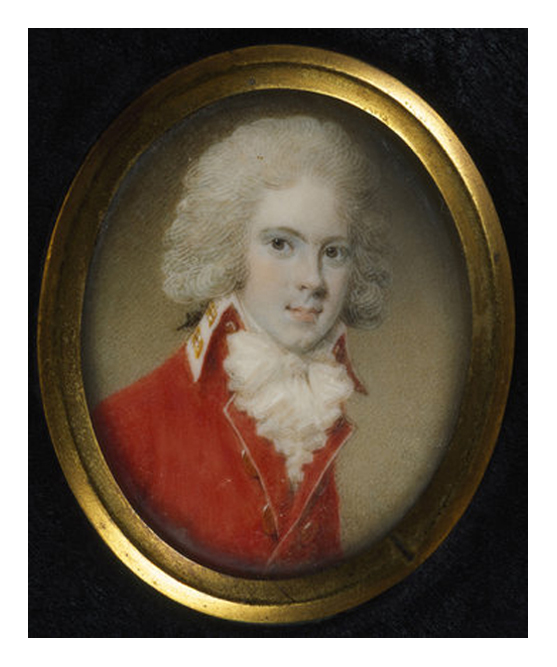
Augustus Clevland [father]
Archibald Clevland's father, Augustus, had assumed the surname of Clevland in lieu of that of Saltren Willett in 1817. He had served with the 6th (Inniskilling) Dragoons at Waterloo, later becoming Lieutenant-Colonel of the North Devon Militia. He was a J.P. and Deputy Lieutenant for Devon, and was a great-grandson of John Clevland, M.P. for Barnstaple during seven Parliaments [dates?].
He died on the 5th of July 1849, when Archibald was 16.
[PB: It is worth remembering connections to India. Augustus Saltren Willett/Clevland's memorial in Westleigh Church says "The early period of his life was passed in India", presumably in the East India Company. And the India exploits of his namesake, great-uncle Augustus Clevland, are commemorated on a monument outside his former residence [Tapeley?].
[On the earlier Augustus Clevland, there appears to be a lot of very interesting information at Wikipedia: Augustus Clevland, which incidentally refers to his great interest in monuments, also some monuments dedicated to him. Also a Kipling Story based on his life.]
According to Rosemary Lauder, Devon Families (at http://www.westleighparish.org/page86.html (accessed 24.5.2017)):Augustus Clevland (b.1754) joined the East India Company when he was seventeen and subsequently became Governor of Bengal. But the climate, as with many of his countrymen, did not suit Augustus, who died there, aged thirty. A monument to his achievements was erected in front of his former residence:
? adds:To the memory of the late Augustus Clevland Esq who without bloodshed, or the terror of authority employing only the means of conciliation, and benevolence, attempted and accomplished the entire subjugation of the lawless and savage inhabitants of the Juneterry of Rajamahall, who had long infested the neighbouring lands by their predatory invasions, inspired them with the taste for the arts of civilised life and attached them to the British Government by a conquest over their minds. The Governor General and Council of Bengal in honour of his character; and for an example to others, have ordered this monument to be erected.
Apparently he achieved this with the aid of large quantities of good British fruitcake. Several officers had failed repeatedly in their attempts to bring the Juneterry to heel, and in desperation decided to send in 'good old Gus'. He went unarmed, and unattended by a military force, but with fruitcake which he offered to the native women, talking them round whilst their men were away. He then persuaded the tribesmen that what the British really needed was a force of rangers to patrol the hills and keep order, and could they do this for him? So effectively they were patrolling themselves, and all was peace.
Other connections include the Christie family, who inherited Tapeley when Archibald's sister Agnes married William Langham Christie:
The Christies are of Swiss origin, and it is recorded that Daniel Christin, as his father had wasted his property, sought his fortune by joining the East India Company. He changed his name to Christie on joining the Bombay engineers, rising to the rank of major. Chivalrously, he prevented a contingent of British soldiers from robbing the ruler's harem of their jewellery, who in gratitude, fearing a different intent on the part of the soldiers, gave the gems to Christin. He was rewarded by the Sultan with a fortune of around £20,000.
How he came to meet, and woo the daughter and heiress of Sir Purbeck Langham of Glyndebourne and Saunton is not recorded, but it was their grandson William Langham Christie who combined the two estates.

Memorial to Augustus Clevland [father] in St Peter, Westleigh, close to Tapeley Park, erected by his widow, Margaret Caroline. Notice also the reference to his heir, Archibald, and two (unnamed) daughters.
The relief sculpture is interesting. A prostrate woman - barefoot, in a loose and rather revealing shift, her hair loose. Presumably the full breasts symbolise her role as mother. What is she lying on? It appears to be a hemisphere over which her hair and the leaves of a plant (ivy?) cascade. A small butterfly, commonly a symbol of the brevity of life, is shown on an edge. In the background a weeping willow.
Can we assume this is AC's mother as Niobe? See here and here, whose children have been slain by the gods? To end her suffering, the gods turn her to stone but nevertheless she weeps unceasingly. (As in Hamlet's soliloquy, Act 1, Scene 2, where he describes his mother's grief over the dead king, Hamlet's father: "like Niobe, all tears".) NB I wndered at first whether there was a particular association with the death of children, but of course this image is in the context of a husband's death (as in Hamlet).
There are a number of images of Niobe here. See e.g. Houdini's grave.
Beneath, there is a coat of arms, surrounded by a laurel crown, draped flags, a sword and plumed helmet [of the Inniskilling Dragoons?] with badge.
Fortuna audaces juvat [Often translated as "Fortune favours the brave" or bold, or similar]
(Click on image to enlarge)
Sacred to the memory of AUGUSTUS CLEVLAND of Tapley in this parish, Lieutenant Colonel of the North Devon Militia and Deputy Lieutenant of the county of Devon. Died July 5th 1849 aged 68.
He married June 1830 Margaret Caroline, daughter of Colonel Chichester of Arlington Court in this county, by whom he left issue Archibald, his heir, and two daughters.
He was a man of the highest probity and honor, a most affectionate husband, a fond and judicious father, a sincere friend, and one whose loss will not easily be replaced in the hearts of those who knew his worth.
The early period of his life was passed in India. Subsequently he joined the Inniskilling Dragoons, and was present with that regiment at the Battle of Waterloo. He succeeded in 1817 to the estates of his great-uncle John Clevland Esqre of Tapley, and shortly afterwards retired from the service, employing the remainder of his valuable life in the active discharge of all the duties of his position.
As a magistrate and chairman of the Board of Guardians of the Barnstaple Union, he displayed impartiality that never wavered, integrity above suspicion, placidity of temper and unaffected modesty of demeanour, combined with a sound judgement, which won him the esteem and conciliated the good opinion of all classes.
To his beloved memory this monument is erected by his widow, as a lasting tribute of devoted affection.